Siloam Springs, Arkansas, is a hidden gem that seamlessly blends small-town charm with vibrant energy. This delightful town offers a welcoming embrace to residents and visitors alike, with its unique spirit reflecting a deep sense of community and natural beauty.
One of the standout features of Siloam Springs is its stunning collection of
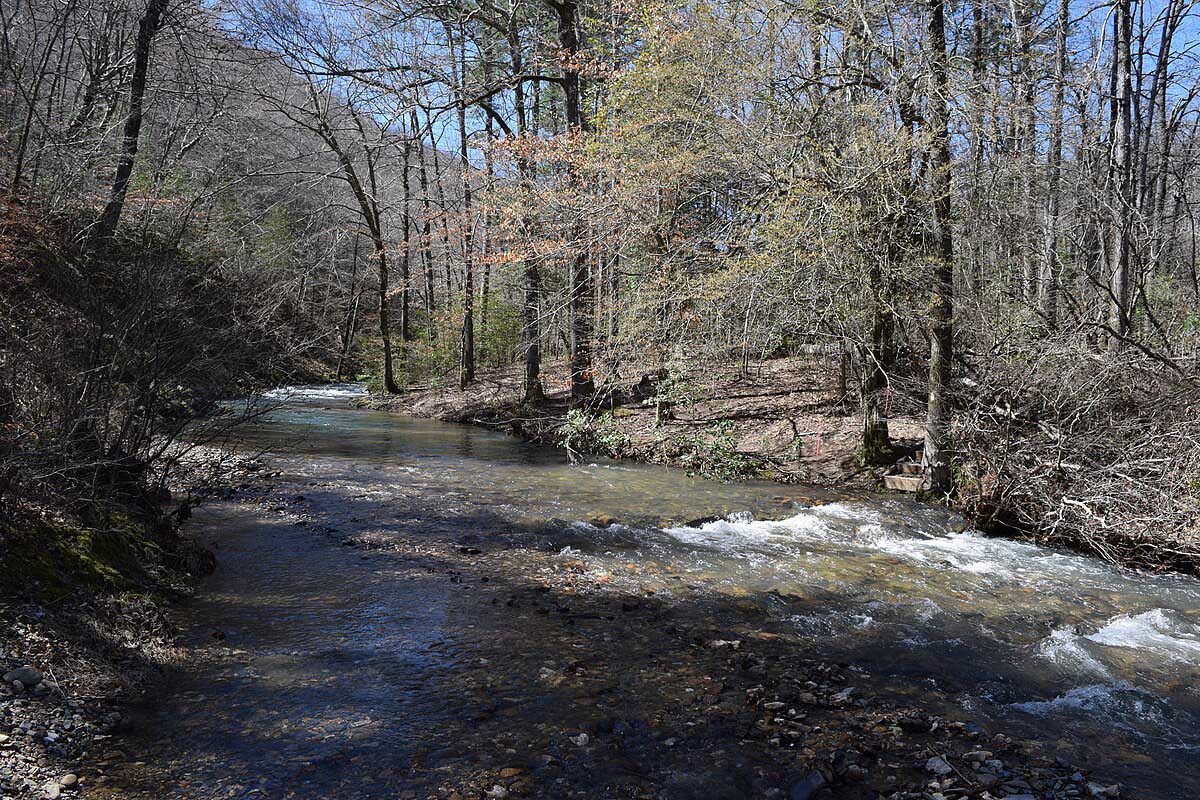
parks and botanical beauty. With City Lake Park and the lush trails of Sager Creek, residents are never far from a peaceful moment in nature or a burst of colorful blooms. Outdoor enthusiasts can enjoy activities like fishing, kayaking, and hiking right at their doorstep, adding a rich, adventurous flavor to everyday life.
The town's historic downtown is a lively hub of culture, boasting a diverse array of
4 | HelloSiloam Springs, Arkansas • Winter Issue
Hello Siloam Springs, Arkansas • Winter Issue |5
Discover the Charm of Siloam Springs,
boutiques, eateries, and cultural events. The Siloam Springs Farmers Market is a treat for locals and newcomers hungry for fresh, local flavors and artisanal crafts. The spirit of creativity and community thrives, making downtown the heart of both tradition and innovation.
Siloam Springs isn't just about beautiful spaces and vibrant events; it's also home to a tight-knit, supportive community. With excellent schools and healthcare facilities, residents feel well-supported in every facet of life. Siloam Springs is more than just a place to live; it's a place to build a fulfilling, joyful life.
Discover the Charm of Siloam Springs, Arkansas
Siloam Springs, Arkansas, is a hidden gem that seamlessly blends small-town charm with vibrant energy. This delightful town offers a welcoming embrace to residents and visitors alike, with its unique spirit reflecting a deep sense of community and natural beauty.
One of the standout features of Siloam Springs is its stunning collection of parks and botanical beauty. With City Lake Park and the lush trails of Sager Creek, residents are never far from a peaceful moment in nature or a burst of colorful blooms. Outdoor enthusiasts can enjoy activities like fishing, kayaking, and hiking right at their doorstep, adding a rich, adventurous flavor to everyday life.
The town's historic downtown is a lively hub of culture, boasting a diverse array of boutiques, eateries, and cultural events. The Siloam Springs Farmers Market is a treat for locals and newcomers hungry for fresh, local flavors and artisanal crafts. The spirit of creativity and community thrives, making downtown the heart of both tradition and innovation.
Siloam Springs isn't just about beautiful spaces and vibrant events; it's also home to a tight-knit, supportive community. With excellent schools and healthcare facilities, residents feel well-supported in every facet of life. Siloam Springs is more than just a place to live; it's a place to build a fulfilling, joyful life.
FEATURED STORY
What to Ask Before Buying a Broiler Farm in Siloam Springs
by Dan Schwieder
Buying a broiler farm in Siloam Springs is a serious decision, one that blends real estate investment with daily farming operations. Unlike purchasing a house or a piece of land, this is both a business and a lifestyle choice. The first and most important question to ask is what you actually want from the purchase. A broiler farm can serve as a long-term investment with income potential, or it can be a lifestyle shift into agriculture, where physical activity and independence shape daily lifeIf your main goal is income, the farm should be evaluated as an asset class, much
6 | HelloSiloam Springs, Arkansas • Winter Issue
Dan Schwieder
ABOUT THE AUTHOR Dan was born and raised in Northwest Arkansas and values Siloam Springs as his hometown. Specializing in poultry farms, he brings practical insight from operating his own broiler farms and working in agri-business for two decades. With 13 years of real estate experience, he guides clients through each step of the process and serves the region with integrity and local knowledge.
like other farmland investments. Look at market conditions for broiler chickens, past flock performance, and whether the property qualifies as high quality agricultural land that an integrator will continue to support. In this way, the farm investment can be compared to buying and selling other income-producing properties in the United States.For buyers seeking a lifestyle change, the questions may be more personal. Farming requires long hours and close attention to detail. Energy levels and willingness to adapt your daily routine become as important as financial return. Imagine it in simple terms, like trading
Hello Siloam Springs, Arkansas • Winter Issue |7
What to Ask Before Buying a Broiler Farm in Siloam Springs
Buying a broiler farm in Siloam Springs is a serious decision, one that blends real estate investment with daily farming operations. Unlike purchasing a house or a piece of land, this is both a business and a lifestyle choice. The first and most important question to ask is what you actually want from the purchase. A broiler farm can serve as a long-term investment with income potential, or it can be a lifestyle shift into agriculture, where physical activity and independence shape daily life
If your main goal is income, the farm should be evaluated as an asset class, much like other farmland investments. Look at market conditions for broiler chickens, past flock performance, and whether the property qualifies as high quality agricultural land that an integrator will continue to support. In this way, the farm investment can be compared to buying and selling other income-producing properties in the United States.
For buyers seeking a lifestyle change, the questions may be more personal. Farming requires long hours and close attention to detail. Energy levels and willingness to adapt your daily routine become as important as financial return. Imagine it in simple terms, like trading a desk job for carrying a glass of water up and down a hill many times a day. It is rewarding but demanding work, and buyers must be prepared for the physical aspects.
The age and condition of the chicken houses significantly impact both cost and workload. Older facilities may require frequent repairs, but if you are handy, they can be managed and often cost less upfront. Newer houses, on the other hand, come with a higher price but generally meet current standards and are easier to operate. They may also hold resale value better, mainly if your plan includes selling in five to seven years. Think of it as checking the Kelley Blue Book for cars, except here the measure is whether the property will attract the next buyer in the farming market.
Location plays a significant role in both profitability and future resale value. Farms closer to town often retain a higher value because they appeal to a wider range of buyers. Remote farms can still work as a long term investment, but when it comes to buying and selling, proximity to services and integrators often matters. This is especially true in places like Siloam Springs, where farming operations must balance access with rural space.
Tax planning and financing are also key considerations in the decision. Broiler farms are not just homes; they are businesses. An accountant can help outline how investing in farmland fits into your larger financial picture. In some cases, expenses and depreciation create advantages that make the farm more attractive than it first appears. For lenders, past performance records and integrator contracts serve the same role as an appraisal does in real estate, including actual transaction history to prove income potential.
Insurance, labor needs, and the overall workload of farming operations should not be overlooked. These practical factors directly influence whether the farm is manageable as a family business or requires outside help. Choosing a farm that matches your skills, goals, and resources can mean the difference between steady growth rates and constant stress. The right broiler farm is not just about the purchase price; it is about how well the property matches your goals and your long-term investment strategy.
In the end, buying a broiler farm in Siloam Springs is not unlike considering Schuber Mitchell Homes or other real estate options, except the commitment reaches beyond property ownership into daily work with broiler chickens and agricultural production. By asking whether you want a lifestyle shift or a financial return, whether you value resale value or prefer immediate affordability, and whether newer houses or older ones fit your ability to manage repairs, you can choose the farm investment that makes sense for you. Farming operations are unique, but with the right match between land, contract, and goals, they can provide both stability and opportunity for years to come.
The right broilerfarm is notjust aboutthe purchaseprice; it is abouthow wellthe property matchesyour goals and yourlong-term investment strategy.
a desk job for carrying a glass of water up and down a hill many times a day. It is rewarding but demanding work, and buyers must be prepared for the physical aspects.The age and condition of the chicken houses significantly impact both cost and workload. Older facilities may require frequent repairs, but if you are handy, they can be managed and often cost less upfront. Newer houses, on the other hand, come with a higher price but generally meet current standards and are...
FEATURED STORY
Extra Land and Broiler Farms, Costs and Considerations
by Dan Schwieder
Broiler farm buyers often begin with the same financial framework. A poultry farm purchase is typically structured so that the farm income covers the houses, the farmhouse, and the acreage needed for the operation itself. The mortgage, insurance, and loan payments are supported by the integrator contracts and the farm’s production. That is how most farms operate, with the bottom line designed to keep the core property self-sustaining. What changes is when a buyer wants extra land for cattle, crops, or personal space. At that point, the financing works differently.
8 | HelloSiloam Springs, Arkansas • Winter Issue
Dan Schwieder
ABOUT THE AUTHOR Dan was born and raised in Northwest Arkansas and values Siloam Springs as his hometown. Specializing in poultry farms, he brings practical insight from operating his own broiler farms and working in agri-business for two decades. With 13 years of real estate experience, he guides clients through each step of the process and serves the region with integrity and local knowledge.
require a closer look at the purchase when it includes more than the functional farm. They recognize that poultry houses have a track record of generating income and predictable cash flow, but cropland or pasture does not automatically contribute to a steady income. This is why payment requirements for extra land are higher. A larger down payment, often around 25 percent, is standard to secure the additional acres. For a conventional loan, this shows commitment and reduces the loan amount. For specific loan programs, such as FHA loans or other government-backed options, flexibility may exist; however, buyers
Hello Siloam Springs, Arkansas • Winter Issue |9
Extra Land and Broiler Farms, Costs and Considerations
Broiler farm buyers often begin with the same financial framework. A poultry farm purchase is typically structured so that the farm income covers the houses, the farmhouse, and the acreage needed for the operation itself. The mortgage, insurance, and loan payments are supported by the integrator contracts and the farm’s production. That is how most farms operate, with the bottom line designed to keep the core property self-sustaining. What changes is when a buyer wants extra land for cattle, crops, or personal space. At that point, the financing works differently.
Lenders require a closer look at the purchase when it includes more than the functional farm. They recognize that poultry houses have a track record of generating income and predictable cash flow, but cropland or pasture does not automatically contribute to a steady income. This is why payment requirements for extra land are higher. A larger down payment, often around 25 percent, is standard to secure the additional acres. For a conventional loan, this shows commitment and reduces the loan amount. For specific loan programs, such as FHA loans or other government-backed options, flexibility may exist; however, buyers should not expect the extra acres to be financed in the same manner as the poultry houses.
The role of cash flow in a poultry farm purchase cannot be overstated. A farm loan is evaluated based on whether the operation itself can meet its debt obligations. A cash flow statement is part of the lender’s review, and any land that does not produce immediate revenue can put pressure on that balance. Contributing more equity upfront helps protect the operation’s ability to remain stable. Buyers who want more acres for cattle or hay often view it as an investment opportunity, but they must weigh it against the monthly expenses required.
Some broiler farm buyers approach this choice with long-term planning. They may use a savings account to cover part of the down payment, so the extra acres do not strain their credit score or home loan. Others treat the land as a real estate hedge, expecting values to rise and holding the property for future gain. Either approach has merit, but the payment amounts in the early years are where stress is felt. A larger down payment improves cash flow and reduces risk, even if it means delaying expansion until more reserves are built.
The bottom line for poultry farmers is that extra land comes with both opportunity and responsibility. More acreage can accommodate cattle, row crops, or even provide the option to expand poultry houses later. It can add security, privacy, and flexibility for future generations. At the same time, it increases taxes, upkeep, and the financial responsibility that begins the day of closing. Buyers who carefully examine payment requirements and thoroughly research their loan options are better prepared. The strongest position is when the farm itself pays for its needs, and a clear financial plan supports the extra land.
Timing also matters. Some poultry farmers choose to start with only the acres tied to the houses, then consider additional land later once equity has been built. Others make the larger purchase right away, believing the right real estate does not stay available for long. Neither approach is wrong, but both require discipline. Loan programs vary, and payment amounts must always be tested against realistic farm income. For some, a conventional loan is the right fit; for others, an FHA loan or a different lender structure works best. Each option depends on the credit score, savings, and cash flow the buyer can demonstrate.
Ultimately, broiler farm buyers are balancing a business purchase with a farmland investment. The poultry farm purchase has its own track record, but the decision to add extra land requires a larger down payment and a careful examination of long-term cash flow.
Lenders require buyers to demonstrate not only that the farm can operate successfully, but also that the additional real estate will not compromise the overall loan. By preparing with a savings account, reviewing loan programs, and maintaining a strong cash flow statement, buyers can make the most of the opportunity without overreaching. The result is a farm that supports itself and land that provides lasting value.
The strongest position iswhen the farm itselfpays for itsneeds, and aclear financial plan supportsthe extra land.
should not expect the extra acres to be financed in the same manner as the poultry houses.The role of cash flow in a poultry farm purchase cannot be overstated. A farm loan is evaluated based on whether the operation itself can meet its debt obligations. A cash flow statement is part of the lender’s review, and any land that does not produce immediate revenue can put pressure on that balance. Contributing more equity upfront helps protect the operation’s ability to remain...