Waxhaw, North Carolina, is a vibrant town where past and present unite to create a unique living experience. Known for its historic charm and modern attractions, Waxhaw offers residents a delightful blend of community and convenience. This appealing town boasts an inviting atmosphere, a place where neighbors become friends and families flourish.
A walk through downtown Waxhaw reveals an enchanting storybook setting with a modern twist. The streets are lined with quaint shops, cozy cafes, and boutiques filled with local treasures. With art festivals and farmers' markets
energizing the community, creativity and sustainability are at the forefront of life here.
Nature enthusiasts will find Waxhaw particularly inviting, with scenic trails and lush parks that invite exploration and relaxation. Cane Creek Park, with its sprawling landscapes and serene waters, offers endless opportunities for outdoor adventures and picnics under the Carolina sky.
Education and
Discover the Charm of Waxhaw,
4 | HelloWaxhaw, North Carolina • Winter Issue
Hello Waxhaw, North Carolina • Winter Issue |5
Discover the Charm of Waxhaw,
community engagement are priorities in Waxhaw, with excellent schools and numerous community events fostering growth and connection. The town’s calendar is filled with lively activities, from festive parades to summer concerts, ensuring there's
always something to celebrate.
Waxhaw, North Carolina, with its blend of history, nature, and community spirit, makes for a truly fulfilling and joyful living experience...
Discover the Charm of Waxhaw, North Carolina
Waxhaw, North Carolina, is a vibrant town where past and present unite to create a unique living experience. Known for its historic charm and modern attractions, Waxhaw offers residents a delightful blend of community and convenience. This appealing town boasts an inviting atmosphere, a place where neighbors become friends and families flourish.
A walk through downtown Waxhaw reveals an enchanting storybook setting with a modern twist. The streets are lined with quaint shops, cozy cafes, and boutiques filled with local treasures. With art festivals and farmers' markets energizing the community, creativity and sustainability are at the forefront of life here.
Nature enthusiasts will find Waxhaw particularly inviting, with scenic trails and lush parks that invite exploration and relaxation. Cane Creek Park, with its sprawling landscapes and serene waters, offers endless opportunities for outdoor adventures and picnics under the Carolina sky.
Education and community engagement are priorities in Waxhaw, with excellent schools and numerous community events fostering growth and connection. The town’s calendar is filled with lively activities, from festive parades to summer concerts, ensuring there's always something to celebrate.
Waxhaw, North Carolina, with its blend of history, nature, and community spirit, makes for a truly fulfilling and joyful living experience. Whether you're planting roots or seeking a serene escape, Waxhaw welcomes you with open arms and endless possibilities.
Lessons Learned the Hard Way: Construction Timelines
Anyone who has managed a construction project knows that sticking to a schedule is often more ideal than reality. Even with detailed plans and reliable crews, delays can and do occur. Weather changes, backordered materials, or unplanned repairs beneath floors or behind walls can derail even the most
carefully mapped timeline.A key lesson many homeowners learn too late is the importance of building in buffer time from the start. Treating the projected completion date as a best-case scenario, rather than a guaranteed finish line, helps manage expectations and reduce stress. A smart move is to
6 | HelloWaxhaw, North Carolina • Winter Issue
Lessons Learned the Hard Way: Construction Timelines
Anyone who has managed a construction project knows that sticking to a schedule is often more ideal than reality. Even with detailed plans and reliable crews, delays can and do occur. Weather changes, backordered materials, or unplanned repairs beneath floors or behind walls can derail even the most carefully mapped timeline. A key lesson many homeowners learn too late is the importance of building in buffer time from the start. Treating the projected completion date as a best-case scenario, rather than a guaranteed finish line, helps manage expectations and reduce stress. A smart move is to pad your timeline by several days or even weeks, especially if the project includes multiple phases or specialty materials. Scheduling events around a firm end date, like hosting guests or planning a party, adds unnecessary pressure. If your project runs long and many do, you may find yourself scrambling to clean up, resolve unfinished work, or navigate around contractors. Allowing for flexibility can make the final stages of construction more manageable and far less stressful. Clear communication with your contractor is also vital. Discuss potential delays at the outset and ask about their contingency plans. Experienced builders anticipate disruptions and often have strategies for keeping things on track or adjusting timelines when necessary. While construction delays can be frustrating, they are often unavoidable. Homeowners who accept this from the beginning and plan accordingly tend to have a smoother, more positive experience. Expecting the unexpected and building in buffer time can save you from frustration when construction runs long.
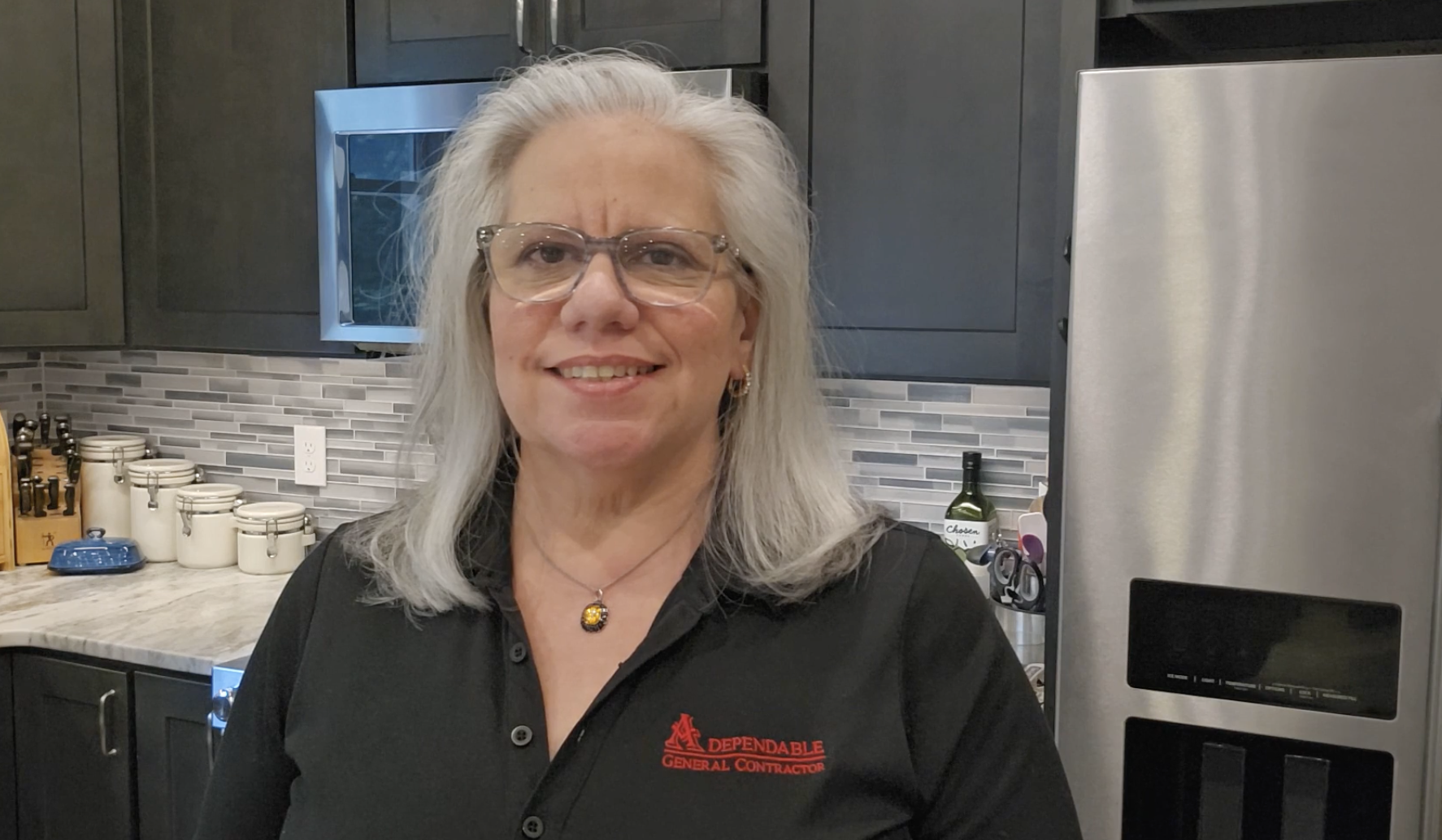
Valerie Summers
resolve unfinished work, or navigate around contractors. Allowing for flexibility can make the final stages of construction more manageable and far less stressful.Clear communication with your contractor is also vital. Discuss potential delays at the outset and ask about their contingency plans. Experienced builders anticipate disruptions and often have strategies for keeping things on track or adjusting timelines when necessary.While construction delays can be frustrating, they are often unavoidable. Homeowners who accept this from the beginning and plan accordingly tend to have a smoother, more positive experience....
pad your timeline by several days or even weeks, especially if the project includes multiple phases or specialty materials.Scheduling events around a firm end date, like hosting guests or planning a party, adds unnecessary pressure. If your project runs long and many do, you may find yourself scrambling to clean up,
A key lesson many homeowners learn too late is the importance of building in buffer time from the start.
About the Author
Valerie Summers is the Office Manager & Vice-President of A Dependable Construction & Remodeling Inc. She and her husband, Mike have been building and remodeling homes in Waxhaw and the surrounding areas for over 20 years. They are dedicated to creating homes and spaces that meet or exceed expectations by combining their knowledge and experience with the homeowner's visions.
HelloWaxhaw, North Carolina • Winter Issue |7
Charlotte's Most Walkable Neighborhoods
When people think about walkable communities, they often picture large cities with dense neighborhoods, subway stations, and corner cafés. Charlotte may not be New York or Chicago, but walkability is still a major factor in shaping lifestyle and property value here. Areas like Dilworth, Plaza Midwood,
and NoDa show that the ability to walk to shops, restaurants, and parks is not just a perk; it is a long-term benefit for both residents and homeowners.Walkability refers to how easy it is to move around a neighborhood without relying on a car. In Charlotte, certain communities were designed in
8 | HelloWaxhaw, North Carolina • Winter Issue
Charlotte's Most Walkable Neighborhoods
When people think about walkable communities, they often picture large cities with dense neighborhoods, subway stations, and corner cafés. Charlotte may not be New York or Chicago, but walkability is still a major factor in shaping lifestyle and property value here. Areas like Dilworth, Plaza Midwood, and NoDa show that the ability to walk to shops, restaurants, and parks is not just a perk; it is a long-term benefit for both residents and homeowners.
Walkability refers to how easy it is to move around a neighborhood without relying on a car. In Charlotte, certain communities were designed in ways that encourage this, while others evolved as suburban developments where driving is the default. Those who choose walkable neighborhoods often describe the experience as adding convenience and connection. Being able to leave the house and walk to dinner, a park, or a coffee shop creates a daily rhythm that feels less rushed and more connected to community life.
The economic impact of walkability is also important. Homes in walkable neighborhoods often hold their value better over time. Buyers consistently place a premium on convenience, especially as traffic in Charlotte has grown with the city’s population. A house that is close to shops, dining, and public transit can appeal to a wider pool of buyers when it is time to sell. Walkability is not just about lifestyle; it is about protecting resale value.
Walkability in Charlotte adds convenience today and supports property value tomorrow.
Neighborhoods that showcase walkability often blend history with new development. Dilworth, for example, was built as one of the city’s first streetcar suburbs, so its grid design and sidewalks naturally encourage walking. East Boulevard offers cafés, boutiques, and restaurants within steps of historic homes, creating an atmosphere that feels active but still residential. In NoDa, Charlotte’s arts district, residents enjoy breweries, galleries, and music venues just blocks from their houses or apartments. Plaza Midwood offers a similar energy, with a mix of restaurants, vintage shops, and green spaces within walking distance. These areas attract buyers who value both culture and convenience.
Parks and greenways add another layer to walkability. The Little Sugar Creek Greenway, part of the growing Cross Charlotte Trail, connects multiple neighborhoods and allows residents to walk, jog, or bike without stepping into a car. Being able to access a trail that connects to Uptown or other communities provides both recreation and practical commuting options. For families, the ability to walk to a park or school can make daily routines much simpler and less dependent on traffic.
Health is another benefit often overlooked in conversations about walkability. Studies show that people who live in walkable neighborhoods tend to spend more time outside, get more exercise, and feel a stronger sense of connection to their community. In Charlotte, where car commutes are common, the ability to walk instead of drive adds variety and balance to daily routines. Something as simple as walking to the grocery store or to grab coffee can support long-term wellness in ways that driving never does.
The generational shift in housing preferences has also pushed walkability to the forefront. Younger buyers, especially millennials and Gen Z, often prioritize lifestyle features over square footage. They see walkability as an extension of their home, valuing access to coffee shops, gyms, or transit as much as an extra room. Retirees are also drawn to walkable communities, since being able to reach daily necessities on foot supports independence and ease of living. In both cases, walkability aligns with broader life goals, whether it is an active social lifestyle or aging in place.
Charlotte’s continued growth means that demand for walkable neighborhoods is unlikely to slow. Even suburban areas are beginning to respond by developing mixed-use centers where residents can access shopping and dining without leaving the neighborhood. Waverly and Ballantyne’s newer developments are examples of how suburban communities are adapting, combining retail, office, and residential spaces in ways that reduce reliance on driving. This approach mirrors what older neighborhoods already provide naturally, but it expands the options for people who want both suburban amenities and walkability.
By contrast, heavily car-dependent neighborhoods may face challenges over time. Rising fuel costs, longer commutes, and the stress of traffic congestion can make daily life more difficult. Homes in those areas may not appreciate at the same pace as properties in walkable communities. Buyers increasingly see the value in being able to park the car for the day and still have access to food, recreation, and services within a short walk or bike ride.
For homeowners and buyers, the key takeaway is that walkability is not just a buzzword. It is a factor that shapes quality of life, connects communities, and supports long-term property values. Whether in Dilworth, NoDa, Plaza Midwood, or a new suburban development with built-in walkability, the ability to live without relying solely on a car is one of Charlotte’s most valuable features.
Julie P. Tuggle
less rushed and more connected to community life.The economic impact of walkability is also important. Homes in walkable neighborhoods often hold their value better over time. Buyers consistently place a premium on convenience, especially as traffic in Charlotte has grown with the city’s population. A house that is close to shops, dining, and public transit can appeal to a wider pool of buyers when it is time to sell. Walkability is not just about lifestyle; it is about protecting resale value.Walkability in Charlotte adds convenience today and supports property value tomorrow.Neighborhoods that showcase walkability often...
ways that encourage this, while others evolved as suburban developments where driving is the default. Those who choose walkable neighborhoods often describe the experience as adding convenience and connection. Being able to leave the house and walk to dinner, a park, or a coffee shop creates a daily rhythm that feels
Walkability in Charlotte adds convenience today and supports property value tomorrow.
About the Author
Julie P. Tuggle is a professional real estate broker with over 25 years’ experience at Carolina Buyer's Agent, specializing in home buyer representation in the Charlotte, NC area. With a passion for advocacy, Julie brings deep market knowledge, strong negotiation skills, and a commitment to helping clients make confident, informed home-buying decisions.